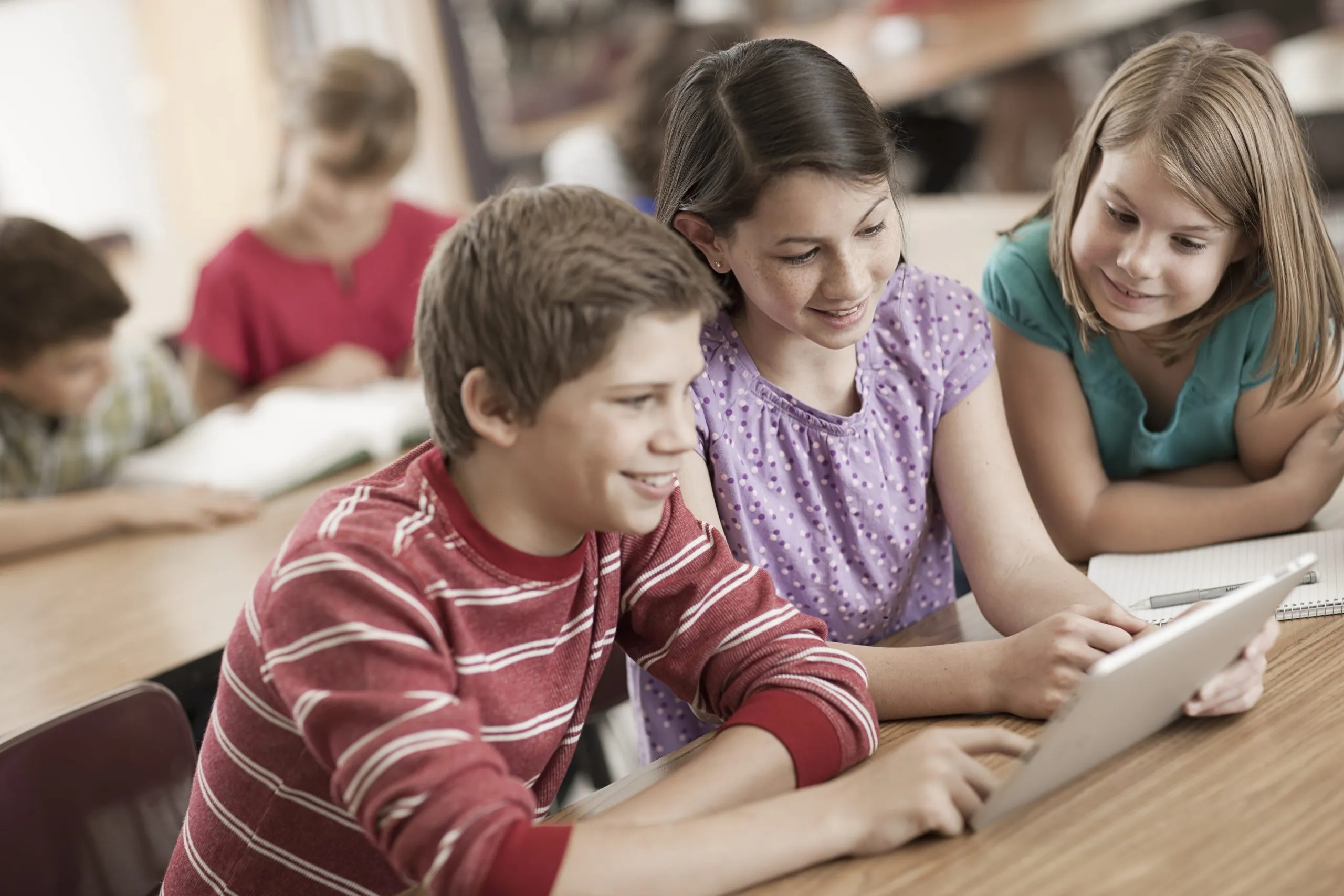
Walk into many classrooms today and you will find tablets on desks, homework set through online platforms and parents receiving updates through an app. Digital technology has become part of the ordinary fabric of schooling. For sociologists, that makes the classroom a useful place to watch how technology interacts with learning, inequality and the way young people understand themselves.
The debate is often framed as a simple question of whether screens are good or bad for children. The more interesting questions sit underneath that. What changes when learning is mediated by software? Who benefits most? And what are pupils learning about the digital world itself along the way?
From Computer Rooms to Everyday Tools
Not long ago, computers in schools lived in a dedicated room that classes visited once a week. Now digital tools are woven through most subjects. Pupils research topics online, collaborate on shared documents, submit work through learning platforms and receive feedback without paper ever changing hands. The period of school closures during the pandemic accelerated this, pushing schools and families to rely on remote learning almost overnight.
That experience showed both the potential and the limits of digital education. Some pupils adapted quickly and enjoyed the flexibility. Others struggled with a shared family laptop, an unreliable connection or a home without a quiet place to work. The technology was the same, but the circumstances around it were not.
Inequality Follows Pupils Online
Digital learning can widen gaps as easily as it narrows them. Children from households with several devices, fast broadband and parents who are confident with technology often get more out of online homework and resources. Children without those advantages may fall behind, not because they are less capable but because the tools assume a level of support they do not have at home.
Schools respond in different ways, from lending devices to keeping homework clubs open after lessons. The underlying point is a sociological one. Educational technology does not arrive in a neutral space. It lands in families with very different resources, and its effects depend heavily on that context.
Learning to Live in a Digital World
Beyond the formal curriculum, classrooms are also where young people learn the unwritten rules of digital life. How to judge whether a source is trustworthy, how to behave in a group chat, what to share and what to keep private. These skills, often grouped under the heading of digital literacy, matter as much as knowing how to use any particular app.
This is closely tied to identity. Teenagers are working out who they are partly through the profiles, posts and online communities they take part in, a theme we looked at in navigating digital identity. Teachers increasingly find themselves dealing with the fallout of online conflicts that began outside school hours, which shows how blurred the line between school life and digital life has become.
Data, Platforms and Attention
Educational platforms collect a great deal of information about how pupils work: when they log in, how long they spend on a task, which questions they get wrong. Used carefully, this can help teachers spot who needs support. It also raises familiar questions about privacy, consent and who controls the data, particularly when the pupils involved are children.
There is also the matter of attention. Many of the design techniques common in consumer apps, such as points, streaks and notifications, have found their way into learning tools. They can motivate, but they can also shift the focus from understanding a subject to chasing the next reward.
A Balanced View
Digital technology in the classroom is neither a cure for every educational problem nor a threat to be kept out. Its value depends on how it is used, who has access to it and whether pupils are taught to think critically about the tools in front of them. Seen through the lens of digital culture, the classroom is one more place where society is negotiating what a good relationship with technology looks like, and young people are learning that lesson in real time.